











CEC is a new idea in power generation that is building, operating and maintaining community-shared clean energy facilities. CEC is pioneering the model of delivering clean power-generation through medium-scale facilities that are collectively owned by participating utility customers. CEC's proprietary software automatically calculates monthly credits for members and integrates with the utilities' existing billing system. Our Mission
RooflessSolar (community solar) is an optimally located off-site solar facility that enables any resident or business to take advantage of solar power, even those who rent or lease. Customers receive the benefits of going solar, without the worry of installation or maintenance.
Get StartedCEC has developed proven software and services that allow for on-time market community solar deployments. For utilities seeking to offer their own community solar program, but are unsure where to begin, CEC is the solution.
Get Started
States Served

Projects Online

Megawatts Online

Under Development
 Zappos has become almost as well known for its culture as it is for the shoes that it sells online. What does that culture look like? It starts with a cultural fit interview, which carries half the weight of whether the candidate is hired. New employees are offered $2,000 to quit after the first week of training if they decide the job isn’t for them. Ten core values are instilled in every team member. Employee raises come from workers who pass skills tests and exhibit increased capability, not from office politics. Portions of the budget are dedicated to employee team building and culture promotion.
Great benefits and a workplace that is fun and dedicated to making customers happy all fit in with the Zappos approach to company culture — when you get the company culture right, great customer service and a great brand will happen on its own.
Takeaway: Zappos hires according to cultural fit first and foremost. It has established what the company culture is, and fitting into that culture is the most important thing managers look for when hiring. This promotes the culture and happy employees, which ultimately leads to happy customers.
Related: The 4 Steps Needed to Instill an Entrepreneurial Mindset Into Your Company Culture
Zappos has become almost as well known for its culture as it is for the shoes that it sells online. What does that culture look like? It starts with a cultural fit interview, which carries half the weight of whether the candidate is hired. New employees are offered $2,000 to quit after the first week of training if they decide the job isn’t for them. Ten core values are instilled in every team member. Employee raises come from workers who pass skills tests and exhibit increased capability, not from office politics. Portions of the budget are dedicated to employee team building and culture promotion.
Great benefits and a workplace that is fun and dedicated to making customers happy all fit in with the Zappos approach to company culture — when you get the company culture right, great customer service and a great brand will happen on its own.
Takeaway: Zappos hires according to cultural fit first and foremost. It has established what the company culture is, and fitting into that culture is the most important thing managers look for when hiring. This promotes the culture and happy employees, which ultimately leads to happy customers.
Related: The 4 Steps Needed to Instill an Entrepreneurial Mindset Into Your Company Culture
 Warby Parker has been making and selling prescription glasses online since 2010. It designs its own glasses, and sells directly to customers, cutting out the middleman and keeping prices low.
The company culture at Warby Parker instigates “culture crushes,” and one reason for that level of success is a team dedicated to culture. That team means that a positive culture is at the forefront, setting up fun lunches, events, and programs. The company makes sure that there is always an upcoming event so the entire team has something to look forward to, and it uses methods to make sure the entire team works well together by insisting everyone helps keep break areas clean or sending random employees out to lunch together.
Takeaway: Warby Parker has made company culture deliberate by creating a dedicated team tasked with coming up with events and programs to promote community. Great company culture doesn’t happen on its own.
Warby Parker has been making and selling prescription glasses online since 2010. It designs its own glasses, and sells directly to customers, cutting out the middleman and keeping prices low.
The company culture at Warby Parker instigates “culture crushes,” and one reason for that level of success is a team dedicated to culture. That team means that a positive culture is at the forefront, setting up fun lunches, events, and programs. The company makes sure that there is always an upcoming event so the entire team has something to look forward to, and it uses methods to make sure the entire team works well together by insisting everyone helps keep break areas clean or sending random employees out to lunch together.
Takeaway: Warby Parker has made company culture deliberate by creating a dedicated team tasked with coming up with events and programs to promote community. Great company culture doesn’t happen on its own.
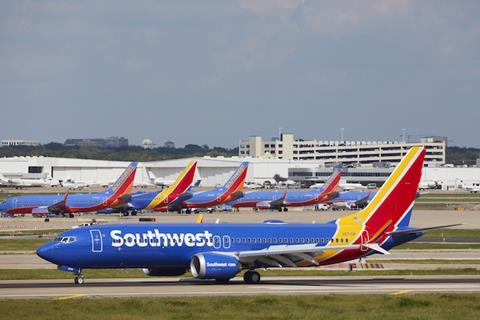 The airline industry is often mocked for grumpy employees and poor customer service, but Southwest Airlines bucks those trends. Customers loyal to Southwest often point to happy and friendly employees who try hard to help.
Southwest isn’t new to the game. It’s been in operation for 43 years. Yet somehow, during all that time, the company has managed to communicate its goals and vision to employees in a way that makes them a part of a unified team. Southwest also gives employees “permission” to go that extra mile to make customers happy, empowering them to do what they need to do to meet that vision.
Takeaway: Employees who are convinced of a larger common goal are people who are excited to be part of a larger purpose.
The airline industry is often mocked for grumpy employees and poor customer service, but Southwest Airlines bucks those trends. Customers loyal to Southwest often point to happy and friendly employees who try hard to help.
Southwest isn’t new to the game. It’s been in operation for 43 years. Yet somehow, during all that time, the company has managed to communicate its goals and vision to employees in a way that makes them a part of a unified team. Southwest also gives employees “permission” to go that extra mile to make customers happy, empowering them to do what they need to do to meet that vision.
Takeaway: Employees who are convinced of a larger common goal are people who are excited to be part of a larger purpose.
 Employees of Twitter can’t stop raving about the company’s culture. Rooftop meetings, friendly coworkers, and a team-oriented environment in which each person is motivated by the company’s goals to have inspired that praise.
Employees of Twitter can also expect free meals at the San Francisco headquarters, along with yoga classes and unlimited vacations for some. These and many other perks are not unheard of in the startup world. But what sets Twitter apart?
Employees can’t stop talking about how they love working with other smart people. Workers rave about being part of a company that is doing something that matters in the world, and there is a sense that no one leaves until the work gets done.
Takeaway: You can’t beat having team members who are pleasant and friendly to each other, and are both good at and love what they are doing. No program, activity, or set of rules tops having happy and fulfilled employees who feel that what they are doing matters.
Employees of Twitter can’t stop raving about the company’s culture. Rooftop meetings, friendly coworkers, and a team-oriented environment in which each person is motivated by the company’s goals to have inspired that praise.
Employees of Twitter can also expect free meals at the San Francisco headquarters, along with yoga classes and unlimited vacations for some. These and many other perks are not unheard of in the startup world. But what sets Twitter apart?
Employees can’t stop talking about how they love working with other smart people. Workers rave about being part of a company that is doing something that matters in the world, and there is a sense that no one leaves until the work gets done.
Takeaway: You can’t beat having team members who are pleasant and friendly to each other, and are both good at and love what they are doing. No program, activity, or set of rules tops having happy and fulfilled employees who feel that what they are doing matters.

 This successful startup is regularly voted as one of the best places to work in New York City. Its company culture is one that is “flat, open, and creative.” A flat organization is one where there are no (or very few) levels of management between staff and executives. This approach is more common among startups and can be tricky to maintain as a company grows larger, generally requiring groups to form.
Squarespace also offers robust benefits and perks, including 100 percent coverage of health insurance premiums, flexible vacations, attractive office space, catered meals, stocked kitchens, monthly celebrations, relaxation spaces, and periodic guest lecturers. Solid benefits such as these help a culture but are not the sole instigator of successful culture. Down-to-earth leaders and direct access to management have a great deal of impact.
Takeaway: Employees feel their voices can be heard when they aren’t muffled under layers of management. This level of freedom and empowerment creates confident employees and improves morale.
This successful startup is regularly voted as one of the best places to work in New York City. Its company culture is one that is “flat, open, and creative.” A flat organization is one where there are no (or very few) levels of management between staff and executives. This approach is more common among startups and can be tricky to maintain as a company grows larger, generally requiring groups to form.
Squarespace also offers robust benefits and perks, including 100 percent coverage of health insurance premiums, flexible vacations, attractive office space, catered meals, stocked kitchens, monthly celebrations, relaxation spaces, and periodic guest lecturers. Solid benefits such as these help a culture but are not the sole instigator of successful culture. Down-to-earth leaders and direct access to management have a great deal of impact.
Takeaway: Employees feel their voices can be heard when they aren’t muffled under layers of management. This level of freedom and empowerment creates confident employees and improves morale.

 For outdoor enthusiasts, REI has long been the company to turn to for great gear. Employees of REI, a cooperative where profits benefit its member-owners, also agree that this is a place where greatness happens, even beyond the beloved camping and outdoor products. REI’s mission is to equip both customers and employees for the outdoors, not just to have fun but also in promoting stewardship of the environment.
REI says that its employees give “life to their purpose,” firmly attributing company success to workers. The CEO of REI has acknowledged that employees can get benefits anywhere, but allowing outdoors-oriented employees to immerse themselves in REI culture is what makes it unique. Employees can win equipment through “challenge grants” where they submit a proposal for an outdoor adventure that would be challenging. Regular town hall-style meetings are held where employees can submit questions anonymously to help management understand what’s happening in the company.
Takeaway: When your employees are completely immersed in the same interests as your company, the culture propels itself forward almost on its own. A culture that is owned and propelled by the same people puts value in their voices.
For outdoor enthusiasts, REI has long been the company to turn to for great gear. Employees of REI, a cooperative where profits benefit its member-owners, also agree that this is a place where greatness happens, even beyond the beloved camping and outdoor products. REI’s mission is to equip both customers and employees for the outdoors, not just to have fun but also in promoting stewardship of the environment.
REI says that its employees give “life to their purpose,” firmly attributing company success to workers. The CEO of REI has acknowledged that employees can get benefits anywhere, but allowing outdoors-oriented employees to immerse themselves in REI culture is what makes it unique. Employees can win equipment through “challenge grants” where they submit a proposal for an outdoor adventure that would be challenging. Regular town hall-style meetings are held where employees can submit questions anonymously to help management understand what’s happening in the company.
Takeaway: When your employees are completely immersed in the same interests as your company, the culture propels itself forward almost on its own. A culture that is owned and propelled by the same people puts value in their voices.
 Just like Google, Facebook is a company that has exploded in growth as well as being synonymous with unique company culture.
Facebook offers, as do many similar companies, lots of food, stock options, open office space, on-site laundry, a focus on teamwork and open communication, a competitive atmosphere that fosters personal growth and learning, and great benefits.
Yet, Facebook has the same struggles as similar companies: a highly competitive industry leads to a sometimes stressful and competitive workplace. Additionally, a free and organic organizational structure that worked for the smaller organization is less successful for the larger one.
To meet these challenges, Facebook has created conference rooms, has separate buildings, lots of outdoor roaming space for breaks, and has management (even CEO Mark Zuckerberg) working in the open office space alongside other employees. It’s an attempt at a flat organizational culture using the buildings and space itself to promote a sense of equality among the competition.
Takeaway: When your company depends on new hires who excel in a competitive field, your company culture and any associated perks will likely be the tipping point for applicants. You must stand out from other companies vying for attention.
Just like Google, Facebook is a company that has exploded in growth as well as being synonymous with unique company culture.
Facebook offers, as do many similar companies, lots of food, stock options, open office space, on-site laundry, a focus on teamwork and open communication, a competitive atmosphere that fosters personal growth and learning, and great benefits.
Yet, Facebook has the same struggles as similar companies: a highly competitive industry leads to a sometimes stressful and competitive workplace. Additionally, a free and organic organizational structure that worked for the smaller organization is less successful for the larger one.
To meet these challenges, Facebook has created conference rooms, has separate buildings, lots of outdoor roaming space for breaks, and has management (even CEO Mark Zuckerberg) working in the open office space alongside other employees. It’s an attempt at a flat organizational culture using the buildings and space itself to promote a sense of equality among the competition.
Takeaway: When your company depends on new hires who excel in a competitive field, your company culture and any associated perks will likely be the tipping point for applicants. You must stand out from other companies vying for attention.
 Adobe is a company that goes out of its way to give employees challenging projects and then provide the trust and support to help them meet those challenges successfully. While it offers benefits and perks like any modern creative company, Adobe’s is a culture that avoids micromanaging in favor of trusting employees to do their best.
Adobe products are synonymous with creativity, and only through the avoidance of micromanaging are the people who create those products truly free to create. For example, Adobe doesn’t use ratings to establish employee capabilities, feeling that that inhibits creativity and harms how teams work. Managers take on the role of a coach, more than anything, letting employees set goals and determine how they should be assessed.
Employees are also given stock options so that they know they have both a stake and a reward for the company’s success. Continual training and a culture that promotes risk-taking without fear of penalty are part of Adobe’s open company culture.
Takeaway: Putting trust in your employees goes a long way towards positive company culture because trust leads to independent employees who help your company grow.
Adobe is a company that goes out of its way to give employees challenging projects and then provide the trust and support to help them meet those challenges successfully. While it offers benefits and perks like any modern creative company, Adobe’s is a culture that avoids micromanaging in favor of trusting employees to do their best.
Adobe products are synonymous with creativity, and only through the avoidance of micromanaging are the people who create those products truly free to create. For example, Adobe doesn’t use ratings to establish employee capabilities, feeling that that inhibits creativity and harms how teams work. Managers take on the role of a coach, more than anything, letting employees set goals and determine how they should be assessed.
Employees are also given stock options so that they know they have both a stake and a reward for the company’s success. Continual training and a culture that promotes risk-taking without fear of penalty are part of Adobe’s open company culture.
Takeaway: Putting trust in your employees goes a long way towards positive company culture because trust leads to independent employees who help your company grow.


Status: Taking Reservations
Customers: Residential, Commercial, Government, Nonprofit
Utility: NEC Retail
Size: 904,500 W
152 CR 308

Status: Panels available
Customers: Residential, Commercial, Government, Nonprofit
Utility: Yampa Valley Electric Association
Size: 579,080 W
1006 County Rd 177


Status: Panels available
Customers: Residential, Commercial, Government, Nonprofit
Utility: National Grid
Size: 1,012,600 W
62 Commerce Drive

Status: Panels available
Customers: Residential, Commercial, Government, Nonprofit
Utility: Black Hills Energy
Size: 124,800 W
57th Lane and Hwy. 50
Status: Panels available
Customers: Residential, Commercial, Government, Nonprofit
Utility: National Grid
Size: 1,384,320 W
217 East Road


Status: Sold out
Customers: Residential, Commercial
Utility: Xcel Energy
Size: 499,895 W
1600 South 66th Street
In addition to inventing CEC’s community solar concept, Mr. Spencer leads the company’s ongoing vision and execution. He is a serial entrepreneur, having built 10 companies in the last 22 years within various industries including energy, software, systems engineering, medical, brokerage and real estate development. He has also held management positions for Qwest as the Director of Business Development for a 14-state southeast region and a VP of Sales for First Consulting Group (now CSC). Mr. Spencer has received a patent for past designs and hundreds of copyrights. He lives off the grid in a self-sustaining home with his wife, has a Bachelor of Science degree in Electrical Engineering and is the president of the board of Tom's Door, a local non-profit. He enjoys the outdoors, skiing and playing basketball.

Bart Rupert brings his solid track record of creating growth and success to CEC through managing and growing the many Information Technology and platform needs. Prior to joining CEC, he served as the COO of Plexis Healthcare Systems where the company grew through strategic alliances with large companies such as Accenture, CSC, Cognizant, and Noridian, and became one of Microsoft’s HHS Strategic Alliance partners. He also served as the COO of Crib Notes Software, a niche EMR company, cultivating the organization into an internationally-recognized market leader, and has worked with large industry players including HBOC, McKesson, and FCG in various leadership roles.

Tom Sweeney brings a wealth of experience to CEC in the development and management of high growth businesses with ground breaking products and services. Most recently, Tom was the founder, Chairman and CEO of Incentra Solutions, a $200 million IT Systems Integrator for mid-tier enterprise clients in the US and Western Europe. Prior to Incentra, Tom lead a series of IT services and software companies in the US, Europe and Asia/Pac. Sweeney started his career in the Telecommunications industry and worked as a senior executive at Level 3, Worldcom, MFS, Centex and MCI. Outside of work Tom enjoys golf, blue water sailing and spending time with his wife and two sons.

As Chief Operating Officer, Mr. Postal oversees the day-to-day operations and overall execution of the sales, marketing, business development and delivery departments. Prior to joining CEC Mr. Postal served as Chief Development Officer of SunShare, Renewable Energy Executive with Milender White Construction and was a co-founder of Main Street Power. Prior to his career in solar, he was a fiduciary investment advisor for both A.G. Edwards and as a partner in an independent advisory firm based in Denver. Mr. Postal received his BA in History from University of Colorado and a Master in Public Policy from Georgetown University. He lives in Denver with his wife and three kids.

Vilia Valentine has extensive experience in increasing investor value and driving financial growth through IPO’s, secondary offerings, and strategic acquisitions. Prior to joining CEC, Vilia served as CFO of Inspirato LLC, a private luxury vacation club. Previously, she was the principal financial officer of MDC Holdings, a $1 billion public homebuilding and financial services company, and CFO of Gaiam Inc., a leading producer of lifestyle media and fitness accessories. In 2008, she took Gaiam’s solar operations public, and in 2009, she was named "CFO of the Year" in the public company category by the Denver Business Journal. Vilia is a Colorado native and earned her BS in Accounting and Business Law.

With over 20 years business and legal experience is the sustainable energy field, Mr. Cunningham is responsible for overseeing the legal aspects of the company. His background is diverse, also including significant energy services, real estate, engineering & construction, lending, acquisitions and sales experience. He has also owned and operated several successful start-up and high-growth businesses, and successfully combines an entrepreneurial mindset with sound legal practices. Mr. Cunningham enjoys exploring the Colorado mountains, and has been known to head to sunny beaches in the winter for a scuba break.

Mr. Hunter is responsible for originating and securing all required capital for CEC, including corporate equity, tax equity, construction financing, term debt and mezzanine financing. Prior to CEC, he created and led a number of successful energy development companies, each of which was acquired by institutional investors. Mr. Hunter studied Mechanical Engineering at Rutgers University, and is a graduate of the EMBA-Global program, a joint MBA degree offered by Columbia and London Business Schools.